
22 Herbs That Support Digestion, Stress, and Overall Wellness
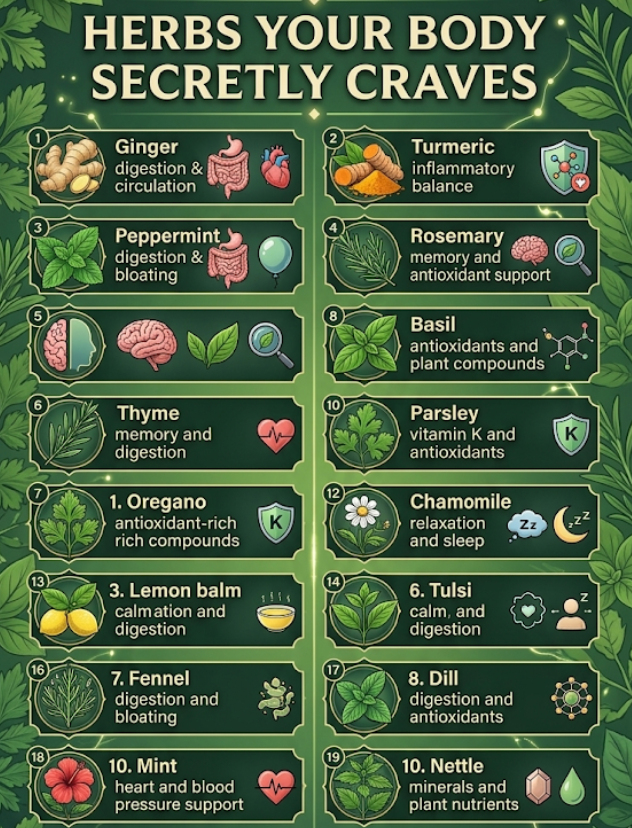
Herbs are some of the most concentrated, easy-to-use sources of beneficial plant compounds available, and many of the ones sitting in your spice cabinet right now have real research behind them. From digestion and circulation to stress relief and antioxidant support, different herbs bring different strengths to the table, which makes building a variety of them into your routine one of the simplest upgrades you can make to your everyday diet.
Below, we break down 22 herbs commonly associated with supporting different aspects of health, what’s behind each one, and simple ways to start using them.
Digestive Support Herbs
Ginger
Ginger is one of the most well-researched herbs for digestive comfort, commonly used to support healthy digestion and circulation, and it’s particularly well known for helping with nausea.
How to use it: Add fresh ginger to stir-fries, teas, soups, or smoothies.
Peppermint
Peppermint has been studied for its ability to support digestion and reduce bloating, and peppermint oil specifically has research behind it for easing symptoms of irritable bowel syndrome in some people.
How to use it: Brew peppermint leaves as a tea after meals, or add fresh leaves to salads and infused water.
Fennel
Fennel seed has traditionally been used to support digestion and reduce bloating, making it a common after-meal remedy in several cultures.
How to use it: Chew a small amount of fennel seed after meals, or steep it as a tea.
Dill
Dill supports digestion and provides antioxidants, and has traditionally been used to ease minor digestive discomfort.
How to use it: Add fresh dill to salads, dips, fish dishes, or pickled vegetables.
Mint
Mint supports digestion and adds a refreshing quality to both food and drinks, making it an easy herb to build into a daily routine.
How to use it: Add fresh mint to teas, water, salads, or fruit dishes.
Dandelion
Dandelion is associated with supporting digestion, largely due to its bitter compounds, which have traditionally been used to stimulate digestive processes.
How to use it: Dandelion greens can be added to salads, or dandelion root can be brewed as a tea.
Anti-Inflammatory and Antioxidant Herbs
Turmeric
Turmeric is rich in curcumin compounds and is associated with supporting inflammatory balance, making it one of the most studied herbs for its antioxidant and anti-inflammatory properties.
How to use it: Add turmeric to soups, rice, or golden milk lattes, ideally with a pinch of black pepper to improve absorption.
Basil
Basil provides antioxidants and plant compounds that support overall cellular health, and is a versatile addition to many savory dishes.
How to use it: Use fresh basil in pasta dishes, salads, or as a base for homemade pesto.
Oregano
Oregano is rich in antioxidant compounds and is associated with broad antioxidant support, making it a staple in many Mediterranean-style diets.
How to use it: Sprinkle dried oregano over pizza, pasta sauces, or roasted vegetables.
Parsley
Parsley provides vitamin K and antioxidants, and is often underused as more than just a garnish, despite its solid nutritional profile.
How to use it: Use fresh parsley generously in salads, grain bowls, or as a finishing herb over roasted dishes.
Cilantro
Cilantro provides vitamin K and plant nutrients, and brings a bright, fresh flavor to a wide range of dishes.
How to use it: Add fresh cilantro to salsas, tacos, or noodle bowls just before serving.
Herbs for Brain and Memory Support
Rosemary
Rosemary is associated with supporting memory and provides antioxidant support, and has been studied for its potential role in protecting brain cells from oxidative stress.
How to use it: Use fresh or dried rosemary in roasted meats, potatoes, and vegetables.
Sage
Sage is associated with supporting memory and digestion, and has traditionally been used specifically in the context of cognitive health.
How to use it: Use sage in stuffing, roasted squash, or brewed as a tea.
Herbs for Stress and Relaxation
Chamomile
Chamomile is associated with supporting relaxation and sleep, making it one of the most popular herbs for a calming evening routine.
How to use it: Steep dried chamomile flowers for a classic bedtime tea.
Lemon Balm
Lemon balm is associated with supporting calm and digestion, and is often used in combination with other calming herbs like chamomile.
How to use it: Steep fresh or dried lemon balm leaves for a soothing tea.
Tulsi (Holy Basil)
Tulsi is associated with supporting the body’s stress response, and has a long history of traditional use for this purpose.
How to use it: Brew tulsi as a tea, either on its own or blended with other calming herbs.
Ashwagandha
Ashwagandha is associated with supporting stress and resilience, and is one of the most widely studied adaptogenic herbs, with research looking specifically at its effects on stress-related markers.
How to use it: Ashwagandha is most commonly taken as a powder mixed into warm milk or smoothies, or in supplement form; because it’s a more potent herb, it’s worth following dosing guidance rather than using it freely like a culinary herb.
Herbs for Heart Health and Circulation
Hibiscus
Hibiscus is associated with supporting heart health and healthy blood pressure, thanks to its rich anthocyanin content.
How to use it: Steep dried hibiscus for a tart, ruby-red tea, enjoyed hot or iced.
Garlic
Garlic is associated with supporting heart health and immune function, thanks to sulfur compounds like allicin.
How to use it: Use fresh garlic generously in sauces, marinades, and proteins.
Cinnamon
Cinnamon is associated with supporting healthy blood sugar, and is one of the easiest spices to add to your diet daily.
How to use it: Sprinkle cinnamon into coffee, oatmeal, or baked goods.
Herbs for Respiratory and Immune Support
Thyme
Thyme is associated with supporting respiratory and immune health, and contains thymol, a compound known for its antioxidant properties.
How to use it: Add thyme to soups, roasted meats, or beans.
Herbs for Minerals and General Nutrition
Nettle
Nettle is associated with providing minerals and plant nutrients, and has traditionally been used to support overall nutritional intake.
How to use it: Nettle is most commonly consumed as a tea using dried nettle leaf.
Green Tea
Green tea is associated with providing antioxidants and supporting healthy aging, thanks to its rich catechin content, one of the most extensively studied compounds in nutrition research.
How to use it: Steep green tea for 2 to 3 minutes in water just below boiling, and enjoy in the morning or early afternoon.
How to Build These Herbs Into Your Daily Routine
Morning: Green tea or ginger tea to start the day
With meals: Turmeric, oregano, garlic, and parsley worked into your cooking
After meals: Peppermint, fennel, or mint tea to support digestion
Evening: Chamomile, lemon balm, or tulsi as part of a calming wind-down routine
As needed: Ashwagandha during particularly stressful periods, following appropriate dosing guidance
You don’t need to use all 22 herbs every day. Rotating through a handful of favorites based on your goals, whether that’s digestion, stress relief, or general antioxidant support, is a realistic, sustainable way to build the habit.
Frequently Asked Questions
Are all herbs safe to use every day?
Most culinary herbs, like basil, oregano, thyme, and parsley, are very safe for daily use in normal cooking amounts. More potent herbs, like ashwagandha, are generally better used following specific dosing guidance rather than freely like a culinary herb, and it’s worth checking with a doctor if you’re pregnant, breastfeeding, or taking medication.
Can herbal teas interact with medications?
Some can, particularly more concentrated herbs like ashwagandha, ginger, and garlic in supplement form. If you take medication regularly, especially blood thinners or thyroid medication, check with your doctor or pharmacist before significantly increasing your intake of certain herbs.
What’s the difference between a culinary herb and an adaptogenic herb?
Culinary herbs, like basil, thyme, and parsley, are generally very safe in typical cooking amounts and have a long history of everyday dietary use. Adaptogenic herbs, like ashwagandha and tulsi, are more potent, have specific traditional and research-backed uses related to stress response, and are worth using more intentionally, often in supplement or measured tea form.
How long does it take to notice benefits from herbs like ashwagandha or chamomile?
This varies by herb and by the specific benefit. Calming herbs like chamomile may offer a noticeable effect within the same evening, while adaptogenic herbs like ashwagandha are typically studied over weeks of consistent use before meaningful changes in stress-related markers are observed.
This article is intended for general informational purposes and is not a substitute for professional medical advice. If you have a health condition or take medication, consult your healthcare provider before making significant changes to your diet or using herbs medicinally.