
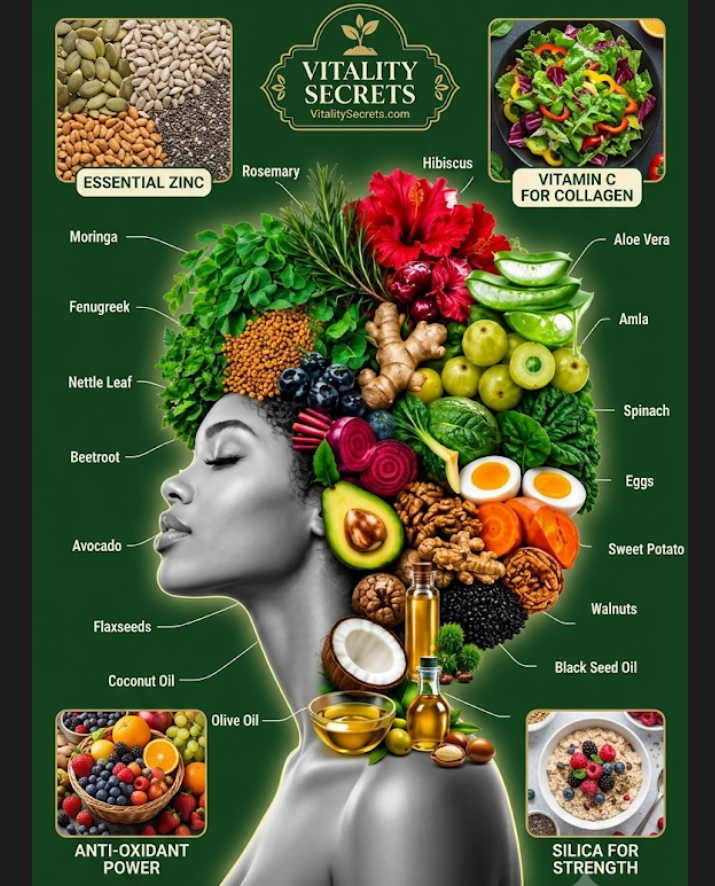
18 Foods and Ingredients That Support Healthy Hair
Hair health starts well before it ever reaches a bottle of shampoo or a styling product. Since hair follicles are among the most metabolically active structures in the body, they depend heavily on a steady supply of specific nutrients, protein, vitamins, minerals, and healthy fats, to grow strong and stay healthy. A nutrient-poor diet is one of several factors that can show up in the condition of your hair over time, alongside genetics, hormones, and overall health.
Below, we break down 18 foods and natural ingredients commonly associated with supporting hair health, organized by the specific nutrients they provide.
Why Diet Matters for Hair Health
Hair is made primarily of a protein called keratin, and producing it requires a consistent supply of amino acids, along with supporting nutrients like zinc, iron, biotin, and vitamin C. Because hair growth is a relatively low metabolic priority compared to essential organ function, the body will often direct nutrients elsewhere first during periods of deficiency or stress, which is part of why nutritional gaps can show up as hair thinning, brittleness, or slowed growth. That said, diet is only one factor among several, including genetics, hormones, certain medical conditions, and hair care practices, all of which play a role in overall hair health.
Zinc-Rich Foods
Zinc plays an essential role in hair tissue growth and repair, and it also helps keep the oil glands around hair follicles working properly. Zinc deficiency has specifically been associated with hair loss in some research.
Foods to try: Pumpkin seeds, sunflower seeds, almonds, and chia seeds are all good plant-based sources of zinc.
Vitamin C-Rich Foods
Vitamin C is essential for collagen production, a protein that helps form the structure of hair strands, and it also supports iron absorption from plant-based foods, which is relevant since iron deficiency is another common contributor to hair thinning.
Foods to try: Leafy greens, bell peppers, citrus fruits, and other vitamin C-rich vegetables in a fresh salad.
Rosemary
Rosemary has traditionally been associated with supporting scalp circulation and hair health, and some preliminary research has looked at rosemary oil applied topically in relation to hair growth outcomes.
How to use it: Use rosemary in cooking, brew it as a tea, or look for rosemary-infused hair oils.
Hibiscus
Hibiscus has traditionally been used in hair care across several cultures, valued for its antioxidant content and its association with supporting scalp and hair health.
How to use it: Hibiscus can be brewed as a tea for internal use, or hibiscus-based hair products can be used topically.
Moringa
Moringa is a nutrient-dense plant rich in vitamins, minerals, and antioxidants, and is associated with supporting overall hair health due to its broad nutritional profile.
How to use it: Moringa powder can be added to smoothies, or used in moringa-based hair care products.
Fenugreek
Fenugreek seeds are rich in protein and nicotinic acid, and have traditionally been used, both ingested and applied topically, in relation to hair strength.
How to use it: Soak fenugreek seeds and use the water as a rinse, or incorporate ground fenugreek into cooking.
Nettle Leaf
Nettle leaf is rich in minerals like silica and iron, both of which are associated with supporting hair strength and overall hair health.
How to use it: Nettle is most commonly consumed as a tea using dried nettle leaf.
Beetroot
Beetroot supports healthy circulation, thanks to its natural nitrate content, which the body converts into nitric oxide, a compound that helps relax and widen blood vessels, supporting better blood flow to the scalp.
How to use it: Roast beets as a side dish, add them to salads, or blend them into a smoothie.
Avocado
Avocado is rich in healthy fats and vitamin E, both of which are associated with supporting scalp health and hair moisture.
How to use it: Add avocado to salads, toast, or smoothies, or use mashed avocado as a hair mask.
Flaxseeds
Flaxseeds provide omega-3 fatty acids, which are associated with supporting scalp health and reducing dryness that can affect hair condition.
How to use it: Grind flaxseeds and add them to oatmeal, smoothies, or baked goods.
Coconut Oil
Coconut oil has been studied specifically for its ability to penetrate the hair shaft better than some other oils, thanks to its fatty acid structure, which may help reduce protein loss from hair with regular use.
How to use it: Apply coconut oil as a pre-wash treatment or leave-in conditioner, focusing on the ends of the hair.
Olive Oil
Olive oil provides healthy fats and antioxidants, and is associated with supporting scalp health and adding shine when used as a hair treatment.
How to use it: Use as a hair mask, or incorporate more olive oil into your diet for its broader antioxidant and healthy fat content.
Aloe Vera
Aloe vera has traditionally been used for its soothing properties on the scalp, and is associated with supporting a healthy scalp environment for hair growth.
How to use it: Apply fresh aloe vera gel directly to the scalp, or look for aloe vera-based hair products.
Amla (Indian Gooseberry)
Amla is exceptionally rich in vitamin C and antioxidants, and has a long history of traditional use in hair care across South Asian cultures.
How to use it: Amla oil can be applied to the scalp, or amla powder can be used in hair masks or consumed for its vitamin C content.
Spinach
Spinach provides iron, folate, and vitamin C, all of which support the nutrient delivery hair follicles need to grow properly.
How to use it: Add spinach to salads, smoothies, or sautéed as a simple side dish.
Eggs
Eggs provide high-quality protein and biotin, both of which are directly relevant to hair structure, since hair itself is primarily made of protein.
How to use it: Eggs can be eaten as part of a balanced diet, or used as a natural hair mask due to their protein content.
Sweet Potato
Sweet potato is rich in beta-carotene, which the body converts into vitamin A, a nutrient involved in the production of sebum, the natural oil that helps keep the scalp moisturized.
How to use it: Roast, bake, or mash sweet potato as a nutrient-dense side dish.
Walnuts and Black Seed Oil
Walnuts provide omega-3 fatty acids, biotin, and vitamin E, while black seed oil contains thymoquinone, a compound studied for its antioxidant properties and traditionally associated with scalp health.
How to use them: Eat walnuts as a snack or add them to meals, and use black seed oil topically on the scalp or take it as recommended in supplement form.
How to Build a Hair-Supportive Diet
Prioritize protein at each meal, since hair is structurally made of protein and adequate intake supports healthy growth
Include a variety of colorful vegetables and fruits for a broad range of vitamins and antioxidants
Add a source of healthy fat regularly, like avocado, olive oil, or walnuts, to support scalp health
Consider both dietary and topical approaches, since ingredients like coconut oil, aloe vera, and rosemary are commonly used both ways
Be patient, since hair grows slowly and dietary changes typically take several months to become visible in hair growth and condition
When Hair Changes Might Signal Something More
While diet plays a role, sudden or significant hair loss can also be related to other factors, including:
Hormonal changes, such as thyroid conditions or postpartum hair shedding
Iron deficiency or other nutrient deficiencies
Chronic stress or a recent significant illness
Certain medications
Genetic hair loss conditions, like androgenetic alopecia
If you’re experiencing noticeable, sudden, or patchy hair loss, it’s worth talking to a doctor or dermatologist rather than relying on diet alone, since some underlying causes require specific medical evaluation and treatment.
Frequently Asked Questions
How long does it take to see hair improvements from dietary changes?
Hair grows slowly, typically about half an inch per month, so dietary changes generally need at least 3 to 6 months of consistency before any noticeable improvement in hair growth or condition becomes visible.
Can topical oils like coconut or olive oil really make a difference, or is it mostly about diet?
Both can play a role. Diet supports hair growth from the inside by providing the nutrients follicles need, while topical oils can help protect hair strands from damage, reduce breakage, and improve the hair’s appearance and manageability, working through a different, complementary mechanism.
Is it possible to have healthy-looking hair despite a poor diet?
Yes, to some extent, since genetics play a significant role in hair thickness, texture, and growth rate. However, a poor diet can still contribute to issues like increased shedding, slower growth, or duller-looking hair over time, even in people with generally strong hair genetics.
Should I take a hair growth supplement instead of focusing on food?
Whole foods are generally preferred when possible, since they provide a broader combination of nutrients working together rather than isolated compounds. If you suspect a specific deficiency, like iron or biotin, it’s worth getting tested by a doctor before starting a supplement, since taking nutrients you’re not actually deficient in typically won’t provide additional benefit.
This article is intended for general informational purposes and is not a substitute for professional medical advice. If you’re experiencing significant or unexplained hair loss, consult a doctor or dermatologist for proper evaluation.