
Understanding Blood Pressure Numbers: A Complete Guide to What They Mean
Blood pressure is one of the simplest health metrics to measure, yet many people aren’t entirely sure what their numbers actually mean. Is 130 over 85 something to worry about? What’s the real difference between elevated blood pressure and Stage 1 hypertension? Understanding these categories, and knowing which symptoms warrant a call to your doctor versus a call to emergency services, is an important part of taking care of your long-term heart health.
This guide breaks down what systolic and diastolic pressure actually measure, walks through each official blood pressure category, and covers foods and habits that may help support healthy numbers over time.
What Do Blood Pressure Numbers Actually Mean?
A blood pressure reading is written as two numbers, such as 120/80 mmHg, and each number measures something different.
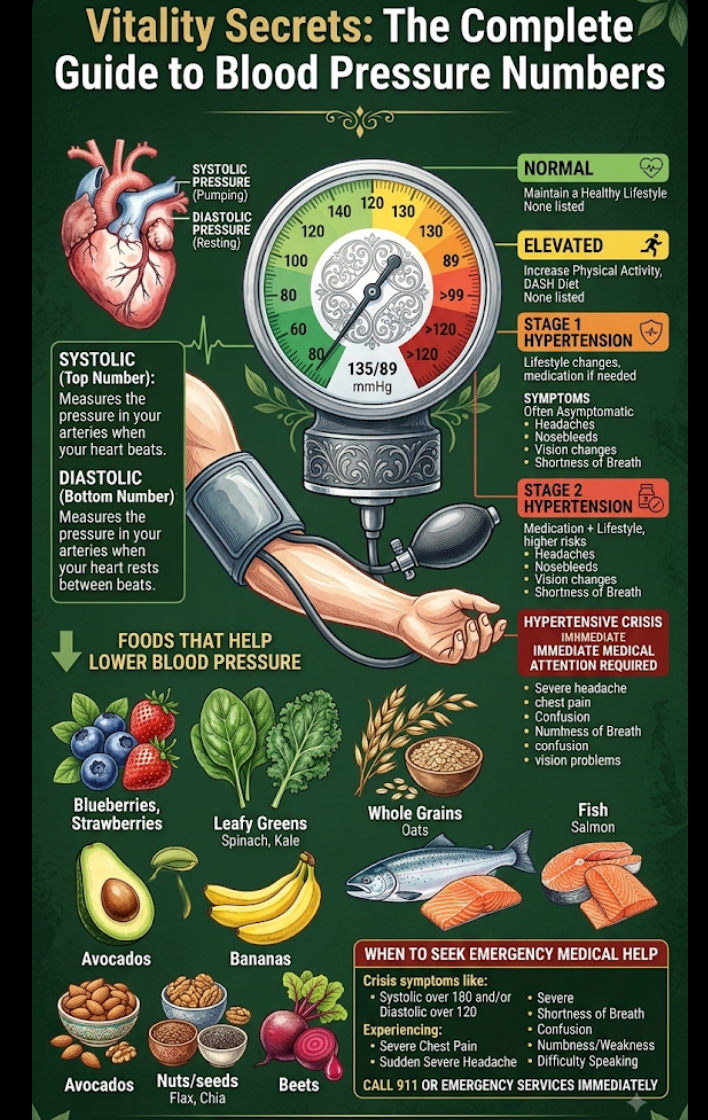
Systolic pressure (the top number) measures the pressure in your arteries when your heart beats and pumps blood out to the rest of your body.
Diastolic pressure (the bottom number) measures the pressure in your arteries when your heart is resting between beats.
Both numbers matter, and doctors look at the higher of the two categories when determining your overall blood pressure classification.
Blood Pressure Categories Explained
According to guidelines from the American Heart Association and the American College of Cardiology, blood pressure is generally grouped into the following categories:
Normal
Systolic: Less than 120 mmHg, and Diastolic: Less than 80 mmHg
A normal reading means your blood pressure is in a healthy range. The main recommendation at this stage is simply to maintain a healthy lifestyle, since normal blood pressure is associated with lower long-term cardiovascular risk.
Elevated
Systolic: 120–129 mmHg, and Diastolic: Less than 80 mmHg
Elevated blood pressure isn’t yet classified as hypertension, but it signals an increased risk of developing high blood pressure over time if lifestyle changes aren’t made. At this stage, doctors typically recommend increased physical activity and dietary changes, such as following a DASH-style eating pattern (Dietary Approaches to Stop Hypertension), rather than medication.
Stage 1 Hypertension
Systolic: 130–139 mmHg, or Diastolic: 80–89 mmHg
Stage 1 hypertension is often asymptomatic, meaning many people feel completely normal despite having elevated numbers, which is part of why high blood pressure is sometimes called a “silent” condition. When symptoms do occur, they can include headaches, nosebleeds, vision changes, or shortness of breath, though these are more commonly associated with more severe or long-standing high blood pressure. Treatment at this stage typically starts with lifestyle changes, with medication considered if those changes aren’t enough or if additional risk factors are present.
Stage 2 Hypertension
Systolic: 140 mmHg or higher, or Diastolic: 90 mmHg or higher
Stage 2 hypertension generally requires both medication and lifestyle changes, since the risk of complications like heart attack, stroke, and kidney damage increases at this level. As with Stage 1, symptoms can include headaches, nosebleeds, vision changes, or shortness of breath, though many people still experience no obvious symptoms even at this stage, which is why regular blood pressure checks matter regardless of how you feel.
Hypertensive Crisis
Systolic: Higher than 180 mmHg, and/or Diastolic: Higher than 120 mmHg
A hypertensive crisis is a medical emergency that requires immediate attention. If your blood pressure reaches this level, especially alongside symptoms like severe headache, chest pain, confusion, shortness of breath, or vision problems, seek emergency medical care right away rather than waiting to see if the numbers come down on their own.
When to Seek Emergency Medical Help
Call 911 or your local emergency services immediately if you experience a blood pressure reading in the hypertensive crisis range along with any of the following symptoms:
- Severe chest pain
- Sudden, severe headache
- Confusion or difficulty speaking
- Shortness of breath
- Numbness or weakness, especially on one side of the body
- Vision problems
These symptoms can indicate a hypertensive emergency, which can lead to serious complications like stroke, heart attack, or organ damage if not treated promptly. Don’t wait to see if symptoms resolve on their own.
Foods That May Help Support Healthy Blood Pressure
While no single food replaces medical treatment for high blood pressure, a diet consistently built around the following foods, often summarized as a DASH-style eating pattern, is well supported by research for helping manage blood pressure over time:
Berries (Blueberries, Strawberries)
Rich in antioxidants called anthocyanins, berries have been studied for their potential role in supporting healthy blood vessel function.
Leafy Greens (Spinach, Kale)
High in potassium, leafy greens help the body balance out sodium levels, which plays a direct role in blood pressure regulation.
Whole Grains (Oats)
Whole grains like oats provide fiber, which has been associated with modest improvements in blood pressure as part of an overall healthy diet.
Fish (Salmon)
Fatty fish like salmon provide omega-3 fatty acids, which have been studied for their potential to support healthy blood pressure and overall cardiovascular function.
Avocados
Avocados are rich in potassium and healthy monounsaturated fats, both of which support cardiovascular health as part of a balanced diet.
Bananas
Another potassium-rich food, bananas are an easy, portable way to help support the body’s sodium-potassium balance.
Nuts and Seeds (Flax, Chia)
Nuts and seeds provide healthy fats, fiber, and minerals like magnesium, all of which are associated with supporting healthy blood pressure.
Beets
Beets are naturally rich in dietary nitrates, which the body converts into nitric oxide, a compound that helps relax and widen blood vessels, an effect that has been specifically studied in relation to blood pressure.
Lifestyle Habits That Support Healthy Blood Pressure
In addition to diet, several everyday habits are well supported by research for helping manage blood pressure:
Regular physical activity, such as brisk walking, most days of the week
Limiting sodium intake, since excess sodium is one of the most well-established dietary contributors to high blood pressure
Limiting alcohol intake, since excessive drinking is associated with elevated blood pressure
Maintaining a healthy weight, since even modest weight loss can meaningfully lower blood pressure in people who are overweight
Managing stress, since chronic stress is linked to sustained blood pressure elevation
Getting consistent, adequate sleep, since poor sleep is associated with higher blood pressure over time
How Often Should You Check Your Blood Pressure?
For most healthy adults, an annual blood pressure check during a routine doctor’s visit is generally sufficient. If you’ve been diagnosed with elevated blood pressure or hypertension, your doctor may recommend checking more frequently, sometimes daily, using a home blood pressure monitor, to track how well lifestyle changes or medication are working.
Frequently Asked Questions
Which number matters more, systolic or diastolic?
Both numbers matter, and current guidelines classify your blood pressure category based on whichever number falls into the higher-risk range. In older adults specifically, systolic pressure tends to be a stronger predictor of cardiovascular risk, but diastolic pressure remains an important measure at any age.
Can blood pressure be high without any symptoms?
Yes, this is extremely common. High blood pressure is often called a “silent” condition precisely because many people with Stage 1 or even Stage 2 hypertension feel completely normal, which is why regular checkups matter even if you feel fine.
How quickly can diet changes lower blood pressure?
Some research on DASH-style eating patterns has shown measurable blood pressure improvements within as little as two weeks of consistent dietary changes, though individual results vary and larger, more sustained changes tend to build over months.
Is one high blood pressure reading a cause for concern?
A single elevated reading isn’t necessarily cause for alarm, since blood pressure naturally fluctuates throughout the day based on stress, activity, caffeine, and other factors. However, a reading in the hypertensive crisis range, or a pattern of consistently elevated readings over time, should be discussed with a doctor.
This article is intended for general informational purposes and is not a substitute for professional medical advice. If you have concerns about your blood pressure, or experience symptoms of a hypertensive crisis, seek medical attention immediately and consult your healthcare provider for personalized guidance.